
Jorge Jimenez is a regular man in Mexico. He lives in Cuernavaca, a little south of Mexico City, and has a wife and children. He may have an unusual hobby; he is an ice hockey player and has played it on and off for the last 30 years. However, because of the work he and many others in the Mexican ice hockey community and the para ice hockey community, the unlikely sport of para ice hockey will have a chance to win over Mexicans.
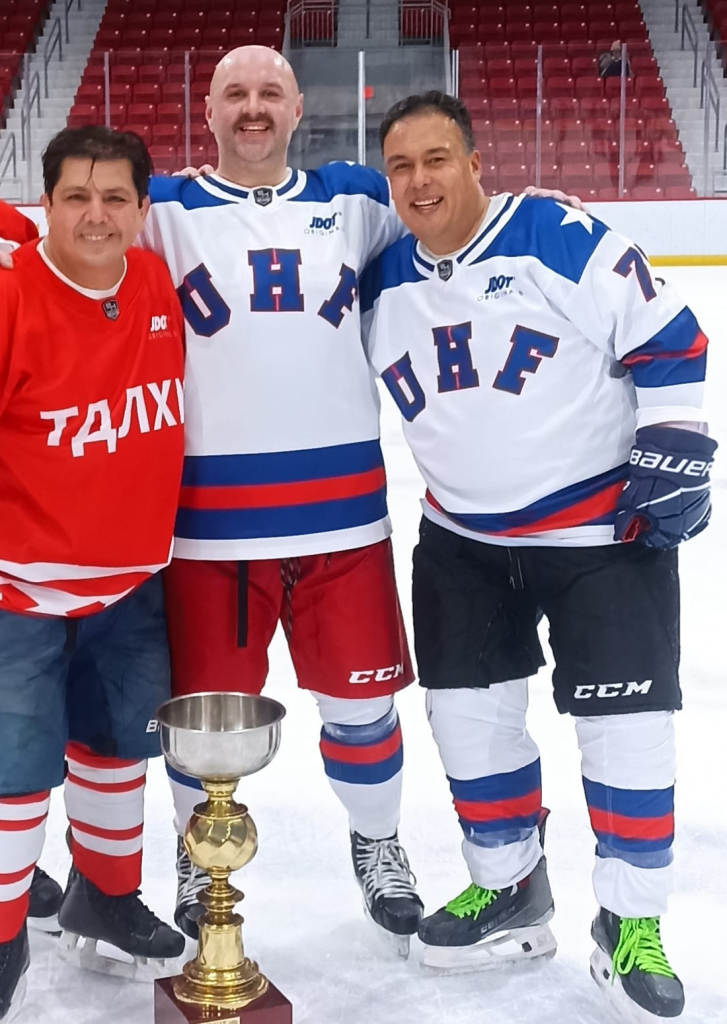
Jimenez is looking for Mexico to join the ranks as he has been trying to start Mexico’s first sled hockey program. He has been working tirelessly in Cuernavaca, as the city only has one small ice rink in a mall. He has been working on getting over 50 kids into his ice hockey program with only one coach. Despite the challenges, Jimenez helped create a small community of ice hockey players despite the little influence of the sport in the surrounding area.
But the idea of bringing para ice hockey to Cuernavaca didn’t come from inside his community. It came from an unlikely trip to Costa Rica. Late last year, a Detroit foundation called the Urban Hockey Foundation had made plans to bring players mostly from the U.S. to Costa Rica to play exhibition matches, learn about the country, and grow resources in the country.
Jimenez joined the group to play in Costa Rica and met Eric Hammerstrom, a communication adviser for The Carnegie Initiative. There, Hammerstrom pitched an idea to bring para ice hockey to Jimenez.
“It sounds interesting,” Jimenez said. “I honestly don’t know anything about sled hockey. Ice hockey is small in Mexico. But we can do something, and we can connect some dots. Count on me!”
This idea that Hammerstrom pitched was based on an idea from the U.S. Women’s Para Ice Hockey player Karina Villegas. Villegas is from Venezuela and became the first Latina woman to represent the U.S. in para ice hockey. Her dream is to grow the sport in Latin America and she has already done work in Puerto Rico.
Jimenez didn’t have any sleds or any idea where he could get them. There wasn’t a seller in Mexico. Jimenez is a community man, and he knew that other communities would help out. He tried to contact various organizations in the U.S. in hopes of helping get the equipment down to Mexico.
A lot of organizations had expressed interest, but couldn’t help because of the cost or the lack of equipment needed to send down to Mexico. Jimenez would find success in an unlikely area, the NHL.
The Dallas Stars and the Los Angeles Kings have both been interested in growing the sport in Mexico and have done many events to help grow the sport. Jimenez would attend some of these events with his daughter. However, it would be the Vegas Golden Knights who would be first in helping Jimenez.
Thanks to the help of Hammerstrom, the Golden Knights would send Jimenez 13 sleds to Cuernavaca. A donation that would be around $10,000. Now, the next step in growing the sport can begin. It would be a tough sell to the Mexican people for para ice hockey. Not only is ice hockey tough because historically there is little built culture of the sport compared to soccer, but now he would have to find people who would want to try the sport.
In early April, the city will be the host of Mexico’s first para ice hockey clinic, which will run for three days. Para ice hockey players will be travelling to Mexico on their dime to help grow the sport like Canadian captain Tyler McGreger, U.S. player Josh Pauls, and of course, Villegas.
Jimenez is in awe at the pace and the speed everything has grown in the past couple of months. He is grateful to all of the people who stepped up to help with their time and sacrifice. He believes that people like Villegas, who had helped him and pushed him when he needed it, are huge contributors to the success that they have today.
No one can deny the work Jimenez has done. From a man who had no clue how the sport worked to someone who is having a major part in Mexico’s first para ice hockey clinic, there is no denying the success lies on his feet as well. He is a humble man and won’t admit it, but the reason why there is a clinic at all today is because of him. He is a family man, he is a community man. Anyone could do what he has done, but because of his love for his community is why he is at the forefront.


Leave a Reply